Bulky Waste Moves in Wimbledon: Methods & Disposal Options
If you are staring at an old sofa, a broken wardrobe, or a heavy mattress that has somehow become part of the furniture, you are not alone. Bulky waste has a habit of building up quietly until one day it is right there in the way, blocking a hallway, taking over a garage, or making a moving day feel twice as stressful. Bulky Waste Moves in Wimbledon: Methods & Disposal Options is really about one simple thing: finding the safest, most practical way to get large unwanted items out of your home, flat, office, or storage space without turning the whole job into a marathon.
In Wimbledon, that often means balancing access issues, parking constraints, building rules, and the question of what should be reused, recycled, donated, or disposed of. Some items are straightforward. Others are awkward, dusty, or heavier than they look, which is always annoying. This guide walks you through the methods, the disposal options, and the common decisions people make so you can choose the right approach for your situation, not just the quickest one.
Table of Contents
- Why Bulky Waste Moves in Wimbledon: Methods & Disposal Options Matters
- How Bulky Waste Moves in Wimbledon: Methods & Disposal Options Works
- Key Benefits and Practical Advantages
- Who This Is For and When It Makes Sense
- Step-by-Step Guidance
- Expert Tips for Better Results
- Common Mistakes to Avoid
- Tools, Resources and Recommendations
- Law, Compliance, Standards, or Best Practice
- Options, Methods, or Comparison Table
- Case Study or Real-World Example
- Practical Checklist
- Conclusion
- Frequently Asked Questions
Why Bulky Waste Moves in Wimbledon: Methods & Disposal Options Matters
Bulky waste is not just "stuff you want gone". It usually involves items that are too large, too heavy, or too awkward for normal bin collections. Think wardrobes, bed frames, sofas, tables, filing cabinets, exercise equipment, white goods, garden furniture, carpet offcuts, and sometimes mixed loads after a clear-out. In a place like Wimbledon, where homes range from compact flats to larger family houses, the practical challenge is often as much about access as it is about size.
Why does this matter so much? Because poor handling of bulky items can lead to damage, trip hazards, blocked fire exits, strained backs, neighbour complaints, or disposal problems later on. If you are moving house, refurbishing a room, or clearing a property after a tenancy, bulky waste can slow everything down at exactly the wrong moment. Truth be told, the last thing anyone wants on a moving day is a sofa wedged in a stairwell while everyone stands around pretending to be calm.
There is also the environmental side. Some bulky items are still useful and can be reused. Others can be dismantled and recycled. The best method depends on condition, material, and urgency. That is why a careful plan saves time, money, and hassle.
For anyone comparing service standards and company practices, it can also help to understand the basics of a provider's health and safety policy, especially when heavy lifting or tight access is involved.
How Bulky Waste Moves in Wimbledon: Methods & Disposal Options Works
There are usually four main ways to deal with bulky waste in Wimbledon, and the right choice depends on condition, access, budget, and time. In practice, most people combine methods. For example, you might donate one item, dismantle another, and arrange a collection for the rest. That mixed approach is common, and often the smartest.
1. Reuse or donation
If furniture or household goods are still in usable condition, reuse is usually the first place to start. This can mean passing items to family, offering them locally, or arranging a donation route if the items meet a sensible standard. Items should be clean, safe, and complete enough to be useful. A sofa with collapsed cushions and a broken frame is rarely a donation candidate, even if it once looked lovely.
2. Dismantling and sorting
Some bulky waste becomes much easier once broken down into smaller parts. Bed frames, wardrobes, shelving, and flat-pack furniture can often be dismantled so that wood, metal, fabric, and fixings can be separated. This helps with lifting, loading, and recycling. It also makes a cramped hallway feel a lot less hostile.
3. Professional removal and load handling
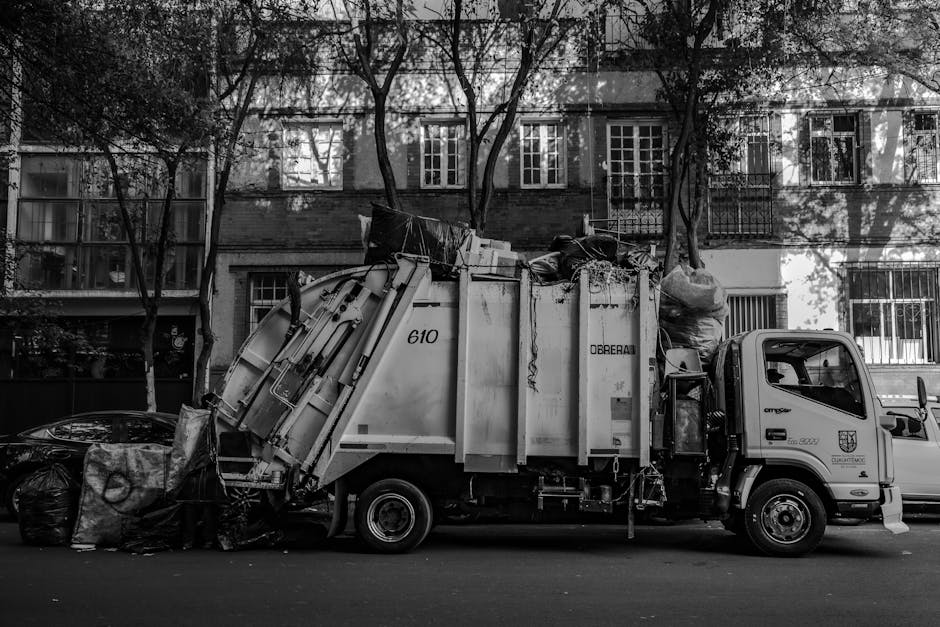
For larger clear-outs or awkward access, a removal team can move heavy or oversized items from inside the property to the vehicle, which is often where the real difficulty lies. Stairs, narrow landings, parking restrictions, and basement access can turn one bulky item into a full operation. A professional approach is useful when you want fewer risks, less lifting, and clearer disposal handling.
4. Recycling, disposal, or mixed-load processing
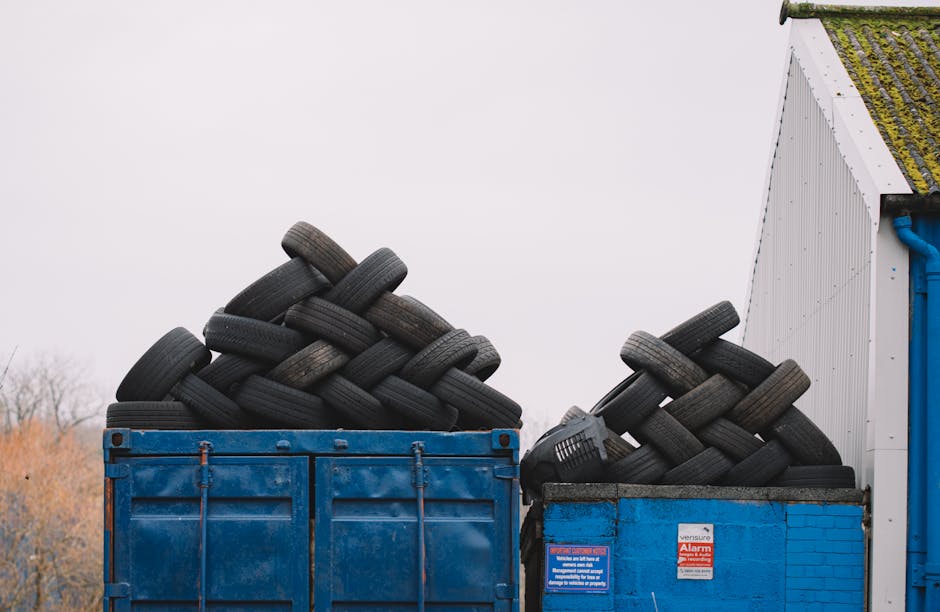
Not everything can be reused. Some items are damaged, unhygienic, or beyond repair. In those cases, disposal routes may involve recycling where possible and disposing of the remaining non-recyclable material responsibly. It is a good sign when a provider explains how mixed loads are sorted, because bulky waste often contains several material types in one job.
Before you choose a method, it helps to ask a few practical questions: Is the item reusable? Can it be dismantled safely? Is access difficult? Does the load contain just one item or several? Those answers usually point you toward the right option pretty quickly.
Key Benefits and Practical Advantages
Handled properly, bulky waste removal is not just about clearing space. It can make the rest of your project easier and noticeably less stressful. In Wimbledon, where many households value speed, tidiness, and minimal disruption, the practical benefits are easy to appreciate.
- Safer movement: Heavy lifting is reduced, which lowers the chance of injury or damage.
- Better use of space: Rooms, hallways, storage areas, and garages become usable again.
- Cleaner disposal outcomes: Items can be separated for reuse or recycling where sensible.
- Less disruption: Collections can be timed around moving day, refurbishments, or landlord deadlines.
- Reduced stress: You do not have to juggle lifting, van hire, loading, and disposal rules all at once.
There is also a quality-of-life benefit that is easy to underestimate. A cleared room feels lighter. You notice it when you open the door and hear your footsteps echo a bit. Sounds silly, but anyone who has done a proper declutter knows the feeling.
If you are comparing providers, pricing clarity matters too. A transparent pricing and quotes page is often a good sign that the service is set up to explain costs upfront rather than improvise them later.
Who This Is For and When It Makes Sense
Bulky waste moves in Wimbledon are useful for a wide range of people, and not just during house moves. In fact, some of the most common jobs happen during everyday life admin, the less glamorous stuff. You know the type.
- Home movers: Clearing out old furniture before a sale or after completion.
- Landlords and agents: Removing abandoned items between tenancies.
- Families: Replacing bedrooms, clearing lofts, or making room for children's furniture.
- Flat residents: Managing items in buildings with narrow stairs or limited lift access.
- Small businesses: Disposing of desks, chairs, and storage units during office changes.
- Renovation projects: Clearing out fixtures, old units, or damaged furnishings.
It makes sense whenever the item is too large for normal waste handling, too awkward to transport in a standard car, or too risky to move without help. It also makes sense if you simply do not want the job to become a half-day puzzle involving tape, screwdrivers, and a lot of sighing.
Sometimes the decision is emotional as well as practical. An old wardrobe may not have much resale value, but it may have been moved between three homes and two relationships. There is a real difference between "junk" and "stuff with history", even if the end result is still the same: it needs to go somewhere sensible.
Step-by-Step Guidance
If you want the cleanest outcome, follow a structured process. It sounds basic, but a simple plan avoids most of the headaches.
- Identify every bulky item. Walk through the property and make a list. Check bedrooms, lofts, garages, sheds, and storage cupboards.
- Separate reusable from disposable items. If something is still serviceable, set it aside for reuse or donation before treating everything as waste.
- Check access points. Measure doorways, stair turns, lifts, and any awkward corners. Wimbledon properties can be charming and tight in the same breath.
- Decide whether dismantling helps. Beds, tables, wardrobes, and shelving are often easier once broken down safely.
- Group similar materials. Keep wood, metal, fabric, and mixed waste together where possible so sorting is simpler later.
- Choose the disposal route. Compare self-moving, collection, reuse, or professional removal based on urgency and volume.
- Prepare the area. Clear walkways, protect floors if needed, and keep children and pets away during loading.
- Confirm lifting and disposal arrangements. Make sure someone knows what is being taken, when, and from where.
- Review the final handover. Check that the space is clear and that any agreed paperwork, receipts, or notices are in place.
A small but useful tip: take photos of the items before removal if you need a record for a landlord, managing agent, or insurance file. It is one of those little things people forget until they suddenly need it.
Expert Tips for Better Results
After enough bulky moves, a few habits stand out. They are not glamorous, but they make the whole process smoother.
Measure before you lift
People often underestimate whether an item will fit through a door or down a stairwell. Measure the item and the access route. It saves a lot of awkward reversing, and even more awkward apologising.
Work from the hardest item first
If one item is particularly large, heavy, or awkward, deal with that first while everyone is fresh. By the end of the job, nobody is carrying well. Not really.
Keep the route clear
Loose shoes, plant pots, boxes, and doormats all become trip hazards during removal. Clear the path before you start. It sounds obvious, yet it is one of the most common oversights.
Think in materials, not just items
A wardrobe may contain wood, mirrors, screws, handles, and backing board. Knowing the material mix helps with loading and recycling decisions. It is a small detail, but a useful one.
Be honest about condition
If an item is damaged, waterlogged, infested, or structurally unsafe, say so early. That affects handling and disposal choices. It also prevents false hopes about reuse.
If you want a provider with a clear service ethos, the about us page can be a useful way to understand how they work and what standards they set for themselves.
Common Mistakes to Avoid
Most problems in bulky waste removal are avoidable. They usually come from rushing, guessing, or assuming an item is easier than it looks. Happens all the time.
- Leaving sorting until the last minute: This makes reuse and recycling more difficult.
- Forgetting access constraints: A large item may fit on paper but still be impossible to turn through a stair landing.
- Trying to lift without support: Heavy solo lifting is where many injuries happen.
- Mixing prohibited or hazardous items with general waste: Some materials need separate handling.
- Assuming everything must be thrown away: Usable items are often better redirected first.
- Not checking building rules: Flats and managed properties may have specific collection times or storage rules.
- Ignoring timing: Leaving bulky items blocking a move or renovation schedule can cause a domino effect of delays.
The quiet mistake, the one people miss most, is underestimating how long the job will take. One wardrobe becomes two trips. Two trips become a dismantling session. Then suddenly it is 6:30 p.m. and you are still looking for the right screwdriver. A bit dramatic, perhaps, but not far off.
Tools, Resources and Recommendations
You do not need a van full of specialist gear to deal with bulky waste, but a few practical tools make life much easier. In our experience, the right preparation matters more than brute force.
- Gloves: Good for grip and basic protection from splinters or sharp edges.
- Sturdy footwear: Trainers are not ideal for heavy lifting. Solid footwear is safer.
- Basic hand tools: A screwdriver, wrench, or Allen keys are often enough to dismantle flat-pack furniture.
- Protective blankets or floor coverings: Useful in narrow hallways or when moving items across polished surfaces.
- Labels or tape: Handy if you are separating reuse, recycling, and disposal piles.
- Measuring tape: Essential for checking access routes before you start.
For disposal planning, a sensible first step is to decide what you need most: speed, cost control, minimal lifting, or better recycling outcomes. That one choice usually narrows the options quite fast.
It is also worth checking practical service details before you book. For example, if you are concerned about how payments are handled, a provider's payment and security information can help build confidence. And if you care about what happens after collection, the recycling and sustainability page gives a clearer sense of how materials are treated with an eye to reuse and responsible disposal.
Law, Compliance, Standards, or Best Practice
Bulky waste handling in the UK is best approached with ordinary common sense and proper care. You do not need to become a compliance expert, but you do need to avoid unsafe lifting, illegal dumping, and poorly managed disposal. The basics matter.
Good practice usually means the following:
- keeping walkways and exits clear during removal
- using safe lifting techniques and enough help for heavy items
- making sure waste is taken to a suitable disposal route
- separating reusable items where practical
- avoiding fly-tipping or leaving items in communal areas without permission
If a property is managed, the building may have its own rules about moving times, lift protection, parking, or shared access. That is not unusual in Wimbledon, especially where flats and terraces are involved. It is worth checking these details early so there is no last-minute scramble at the front door.
From a trust point of view, look for providers that are clear about insurance and safety, because bulky moves can involve narrow spaces, shared areas, and items that are easy to damage if handled carelessly. For broader service terms, the terms and conditions page can also help you understand expectations before work starts.
Finally, if you ever have questions about how your information is handled during a booking enquiry, the privacy policy is worth a quick read. It is not exciting. Useful, though.
Options, Methods, or Comparison Table
Choosing the right bulky waste method often comes down to balancing effort, speed, flexibility, and disposal outcome. Here is a simple comparison.
| Method | Best for | Pros | Watch-outs |
|---|---|---|---|
| Reuse or donation | Good-condition furniture and household items | Lowest waste, most sustainable, may help someone else quickly | Items must be clean, complete, and usable |
| Self-moving | Small number of items with easy access | Can be cost-effective if you already have transport | Heavy lifting, loading effort, and disposal planning fall on you |
| Professional removal | Large, heavy, or awkward items | Less physical effort, better for stairs and tight spaces | Usually costs more than doing it yourself |
| Mixed approach | Clear-outs with a variety of item conditions | Flexible, practical, and often the most sensible overall | Needs a bit more planning at the start |
In real life, the mixed approach often wins. One item is reused, another is dismantled, and a third is collected in one go. It is not flashy, but it works.
Case Study or Real-World Example
Imagine a Wimbledon flat where a couple is moving out after six years. They have a sofa that will not fit through the communal landing without twisting, a wardrobe that has seen better days, and a desk that is still usable but no longer needed. The hallway is narrow, the lift is small, and the move-out deadline is fixed because keys need to be handed back by the afternoon.
Instead of trying to do everything in one chaotic sweep, they sort the items first. The desk is offered for reuse. The wardrobe is dismantled into panels and fixings. The sofa is assessed for safe removal and then handled as a bulky item. They clear the route, protect the floor, and keep the loading sequence simple: light items out first, awkward item last. Nothing dramatic. Just a sensible plan.
The result is better than a last-minute panic. The flat is cleared faster, the communal area stays tidy, and the final walkthrough is calmer. That calm matters. You feel it when the keys are in your hand and the place is empty in the good way, not the stressful way.
Practical Checklist
Use this checklist before you move bulky waste in Wimbledon.
- List every bulky item that needs to go
- Separate reusable items from disposal items
- Measure doors, stairs, lifts, and corners
- Check whether items need dismantling
- Clear the route from room to exit
- Protect floors and walls if needed
- Confirm building or parking rules
- Prepare gloves, tools, and sturdy footwear
- Decide on recycling, donation, collection, or mixed disposal
- Keep pets and children away from the work area
- Take photos if you need a record
- Double-check the final clearance before signing off
Expert summary: The best bulky waste plan is rarely the fanciest one. It is the one that protects your space, respects access limits, and moves each item by the safest route with the least amount of faff.
Conclusion
Bulky Waste Moves in Wimbledon: Methods & Disposal Options is really about making a heavy, awkward job feel manageable. Once you break the process into clear choices, the whole thing becomes much easier to handle. Decide what can be reused, what can be dismantled, what needs careful lifting, and what should be disposed of through the right route. That small amount of planning pays off fast.
For Wimbledon homes, flats, and local businesses, the best results usually come from practical thinking: assess access, keep safety in mind, and match the method to the item rather than forcing every piece into the same solution. It saves time, protects people, and keeps the job moving without unnecessary drama.
Get a free quote today and see how much you can save.
If you want to learn more about the company behind the service, you can also visit the contact us page for direct next-step details or browse the home page for a wider overview of what is offered. Sometimes the simplest next step is just getting the right help lined up and letting the day go a bit more smoothly.
And honestly, that is often enough.
Frequently Asked Questions
What counts as bulky waste in Wimbledon?
Bulky waste usually means large household or office items that are too big for standard bin collections. Sofas, beds, wardrobes, tables, chairs, and similar items are common examples.
Can bulky waste be reused instead of thrown away?
Yes, if it is in good enough condition. Furniture and other items that are clean, complete, and safe are often better reused, donated, or passed on before disposal is considered.
Do I need to dismantle furniture before removal?
Not always, but dismantling often makes removal easier and safer. It is especially useful for wardrobes, bed frames, shelving, and large flat-pack furniture in tight spaces.
What is the safest way to move heavy bulky items?
The safest method is the one that avoids unnecessary lifting and reduces risk in stairwells, doorways, and narrow corridors. Using enough people, proper footwear, and a clear route makes a big difference.
How do I know whether to recycle or dispose of an item?
If the item is made of separable materials like wood, metal, and fabric, recycling may be possible for some parts. If it is damaged, contaminated, or beyond repair, disposal may be the better option.
Is bulky waste removal suitable for flats in Wimbledon?
Yes, but access needs more planning. Flats often involve stairs, lifts, shared entrances, and parking restrictions, so measuring and timing the job properly is especially important.
What should I check before booking a collection?
Check access, item size, condition, timing, and how the provider handles lifting, disposal, and payment. It is also useful to review safety and service terms before confirming anything.
Can I leave bulky items in a communal area?
Only if building rules allow it. In many cases, communal areas must stay clear, so leaving large items there can cause inconvenience or even safety issues.
What happens if an item is too large for the exit?
It may need to be dismantled, moved through a different route, or handled by a team with the right equipment and experience. This is exactly why checking access early matters.
How can I reduce the cost of bulky waste disposal?
Reducing the amount of waste, separating reusable items, and preparing the property properly can help. A mixed approach often lowers effort and can make the job more efficient overall.
Why is insurance important for bulky waste moves?
Heavy items and tight spaces carry a higher risk of accidental damage. Insurance gives reassurance that the job is being handled with proper safeguards in place.
What should I do if my bulky items include mixed materials?
Keep them grouped together if they are inseparable, but separate obvious parts where you can. Mixed-material items are common, so the key is handling them carefully rather than forcing a perfect split.
Area: Wimbledon