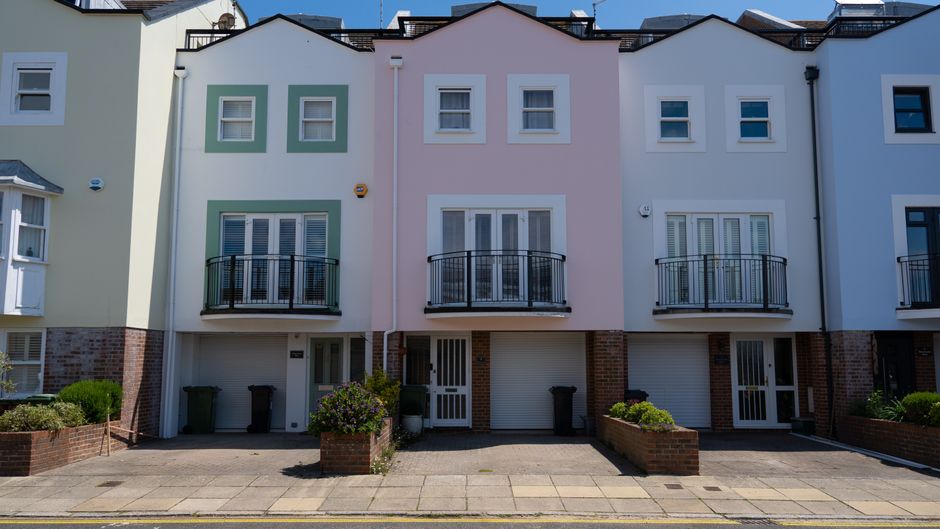
Townhouse Move in Wimbledon: Zero-Damage Case Study
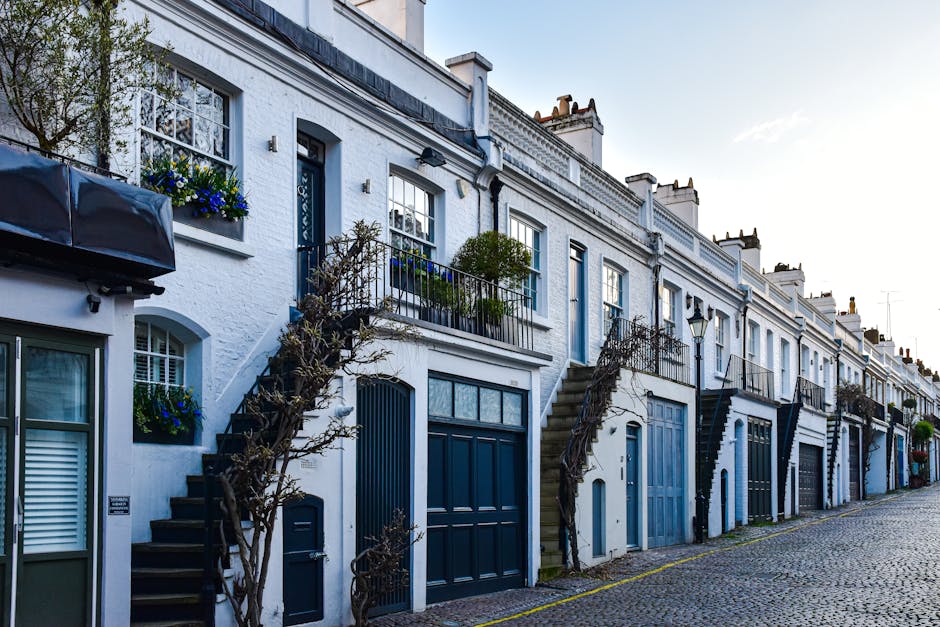
Moving a townhouse in Wimbledon sounds straightforward until the staircase narrows, the hallway turns awkwardly, and suddenly that beautiful console table looks far too large for the landing. If you are planning a townhouse move in Wimbledon and want a zero-damage outcome, this case study-style guide is for you. It breaks down what actually matters on the day, why the smallest details protect walls, floors, and furniture, and how to plan a move that feels calm rather than chaotic. Truth be told, most damage does not happen in some dramatic moment. It happens in the little rushes, the corner turns, the half-second decisions. That is what we are here to avoid.
This article gives you the practical thinking behind a careful townhouse move: access planning, packing strategy, protection methods, timing, and the kind of judgement that helps prevent scrapes, chips, and last-minute panic. You will also find a comparison of move options, a real-world example, a checklist, and answers to the questions people usually ask once they realise townhouses have a habit of being a bit trickier than they first look.
Why Townhouse Move in Wimbledon: Zero-Damage Case Study Matters
Townhouses are lovely to live in, and slightly unforgiving to move through. In Wimbledon, that often means period staircases, compact entrances, shared access, parking pressure, and neighbours who quite reasonably do not want a removal lorry blocking the street all afternoon. A zero-damage case study matters because it shows what a good move looks like in a real setting, not an ideal one.
The goal is not simply to get things from A to B. It is to protect the property, the furniture, the walls, the banister, and your peace of mind. Once one item gets chipped or one wall gets marked, the whole move can start feeling more expensive than planned. That is why a careful approach is worth it. Not glamorous, maybe, but definitely worth it.
In Wimbledon, access is often the real story. Even a well-organised property can become difficult if the van cannot park close enough, if the front door opens into a tight hallway, or if larger items need to be turned on a landing with barely any room to spare. The lesson here is simple: damage prevention is mostly about preparation, not heroics.
If you are comparing service styles, you may also want to look at the difference between home moves and more specialist options depending on the size and complexity of the property. A townhouse is rarely a plain box move. There are levels, edges, delicate finishes, and a few surprises hiding in plain sight.
How Townhouse Move in Wimbledon: Zero-Damage Case Study Works
A zero-damage move works best when the process is treated like a sequence, not a single event. You assess the property, decide what needs protecting, plan the route, pack in the right order, and only then start lifting. Simple on paper. A bit more involved in real life.
The core idea is that every stage should reduce risk. That means measuring large furniture before moving day, checking access points, protecting floors and doorframes, and making sure everyone knows which pieces are fragile, heavy, or awkward. It also means planning around Wimbledon-specific practicalities such as parking, narrow roads, and local timing constraints. Small issue? Not really. These details can make or break the day.
For many moves, a service like man and van is useful for smaller loads or tight access, while larger townhouse moves may need more capacity and careful handling. If the property includes bulky items or a fuller household load, a larger vehicle such as a moving truck can be the smarter choice. The point is not to choose the biggest option by default. It is to match the method to the building.
A good zero-damage plan usually includes:
- a pre-move survey or detailed walkthrough
- loading order based on fragility and access
- protective wraps, blankets, covers, and floor protection
- clear communication about who handles what
- contingency time for awkward furniture or parking delays
That last point matters more than people expect. A move that feels rushed is far more likely to produce scrapes and avoidable stress. Time pressure is where mistakes breed.
Key Benefits and Practical Advantages
The obvious benefit of a zero-damage townhouse move is that nothing gets damaged. Fair enough. But the practical advantages go deeper than that.
- Less repair cost: You avoid patching walls, repainting corners, or replacing broken fittings.
- Less downtime: No waiting around for repairs before you can settle in properly.
- Better furniture lifespan: Drawers, frames, legs, and finishes stay in better condition.
- Lower stress: You are not constantly wondering whether the sofa will clear the stairwell.
- Cleaner handover: That matters if you are renting or selling.
There is also a less obvious benefit: a well-managed move tends to feel calmer for everyone involved. You will notice this most at the awkward moments, like when a wardrobe needs turning in a narrow hallway and everyone pauses for five seconds, thinks, and then moves together. That pause can save the wall. It really can.
For fragile or high-value pieces, it helps to use specialist packing support such as packing and unpacking services. This is especially useful where a townhouse contains glass, mirrors, framed artwork, or awkward items that do not forgive rough handling. If you have ever watched a lampshade wobble at the wrong angle, you know exactly what I mean.
Who This Is For and When It Makes Sense
This approach makes sense for anyone moving from or into a townhouse in Wimbledon, but it is especially useful if any of the following apply:
- your property has multiple floors or tight stairs
- there are delicate finishes, fresh paint, or recently renovated rooms
- you own bulky furniture, antiques, or large appliances
- parking is limited or the access route is awkward
- you want to avoid noise, scuffs, and neighbour complaints
- you are moving on a fixed deadline and cannot afford delays
It also makes sense if you are a tenant trying to leave the property in excellent condition, or a homeowner who simply wants the move to feel professional rather than improvised. Let's face it, nobody wants the first memory of a new home to be a dent in the banister.
If your move is part of a larger life change, you might also value reading related guidance such as preparing your home for move-out day with a decluttering session. Decluttering first often saves time, reduces weight, and lowers the chance of accidental damage because there is less clutter to trip over or squeeze past.
For people moving under time pressure, a same-day or urgent move can still be done carefully, but it needs a more disciplined setup. In those cases, the principles stay the same; the margin for error just gets smaller.
Step-by-Step Guidance
Here is the practical sequence that supports a zero-damage townhouse move in Wimbledon.
1. Survey the property before moving day
Walk through every room and note what could cause trouble: narrow stairs, low ceilings, sharp corners, fitted lights, uneven floors, and tight front access. Photograph any existing marks so you know what was already there. This is one of those boring steps that saves arguments later. Boring, yes. Useful, definitely.
2. Measure large furniture and problem items
Measure sofas, wardrobes, beds, dining tables, mirrors, and any item that might need turning. Then compare those measurements with doorways, hallways, and stair widths. If an item is borderline, decide in advance whether it should be dismantled. Guessing on the day is a bad sport.
3. Protect the route
Use floor coverings, doorframe protectors, stair protection, and blankets for corners. In many townhouse moves, the route matters more than the individual item. One unprotected turn can undo a perfectly careful lift.
4. Pack by priority and fragility
Heavy and sturdy items should not be buried under fragile boxes. Label breakables clearly, and keep screws, fittings, and small parts in sealed bags. Put those bags in a clearly marked container, not loose in a random drawer. That is how people lose bits. It happens all the time.
5. Load in a sensible order
Load the van so that the most delicate items can be accessed properly and the heavy items do not crush softer ones. Good loading is not just about fitting everything in. It is about controlling movement inside the vehicle so items do not shift during transit.
6. Move with one clear lead
Someone should direct the movement at awkward points. Too many voices create confusion. One person calls the lift, the turn, the pause, and the go-ahead. It sounds small, but it keeps the team in sync and prevents the classic "wait, which way?" moment on the stairs.
7. Check every room at the end
Before you leave, inspect floors, skirting, stair edges, and doorframes. Check for forgotten items and make sure furniture is placed where it should be. This final walk-through is the last chance to spot a scuff before it becomes a headache.
Expert Tips for Better Results
Experience teaches you that most damage is preventable if you slow down at the right moments. Here are the tips that tend to matter most in townhouse moves.
- Do not overfill boxes. Heavy boxes are harder to carry, harder to stack, and more likely to split.
- Disassemble what makes sense. Removing legs, shelves, or headboards often reduces risk dramatically.
- Use proper lifting technique. Keep loads close to the body and avoid twisting on stairs.
- Protect the first and last metre. Most bumps happen near doorways, thresholds, and landings.
- Plan around parking early. The best packing job in the world is less useful if the van is half a street away.
There is also a human tip, if you like: keep water nearby and allow short pauses. People make clumsy mistakes when they are tired and overheated. Sounds obvious, but on a moving day people often forget the basics. A quick break can be the difference between careful and careless.
If you need a broader understanding of how service levels affect cost and protection, compare the differences in Wimbledon removals prices versus included services. Price alone rarely tells the full story. What matters is what protection, handling, and support are actually included.
Common Mistakes to Avoid
Even a well-intentioned move can go sideways through a few predictable mistakes. The good news? Most are avoidable.
- Assuming the staircase is wide enough. Many people only realise the awkward angle once the item is already halfway up.
- Skipping floor protection. A quick scrape on wood or laminate can be annoying to fix.
- Not clearing the path fully. Shoes, boxes, umbrellas, and random clutter become trip hazards in seconds.
- Underestimating parking issues. In Wimbledon, access planning can be the whole game.
- Forgetting to label cables and fittings. Nothing slows down reassembly like a bag of mixed screws.
- Trying to move everything at once. It creates rushed lifting and poor visibility.
A subtle mistake people make is believing that "careful" means "slow." Not exactly. The best moves are efficient and careful. They are not frantic, but they are not dawdling either. The rhythm matters. A move can have a steady pace without feeling heavy.
For access-heavy properties, it can also help to review local parking and access patterns, such as the advice in moving near Wimbledon access and parking guide. Even a brilliant packing plan struggles if the route in and out is poor.
Tools, Resources and Recommendations
You do not need a warehouse of equipment to pull off a careful townhouse move, but the right tools help more than people expect.
| Tool or Resource | Why It Helps | Best Used For |
|---|---|---|
| Furniture blankets | Protect finishes from scratches and knocks | Sofas, wardrobes, tables, mirrors |
| Floor protection | Reduces scuffs on wood, tile, or laminate | Hallways, stair edges, entrance paths |
| Labels and marker pens | Speeds up unpacking and assembly | Boxes, fittings, fragile items |
| Furniture straps | Helps stabilise items while lifting or loading | Heavy or awkward pieces |
| Toolkit | Makes dismantling and reassembly easier | Beds, shelving, modular furniture |
It is also sensible to use a removal provider that understands the difference between a standard box shift and a townhouse access challenge. If you are looking at transport options, pages like removal truck hire can help you think through vehicle size and load capacity, while house removalists is the sort of service page people often review when they want a more complete moving solution.
If you have bulky furniture that is not worth keeping, the timing may also connect with disposal decisions. In that case, practical guidance on bulky waste moves in Wimbledon can be useful before move day arrives.
Law, Compliance, Standards, or Best Practice
Moving a townhouse in Wimbledon does not usually involve complex legal steps on the move itself, but there are still important best-practice considerations. If the property is rented, you should follow your tenancy obligations, give the right notice, and leave the property in the agreed condition. If you are unsure, check your tenancy paperwork rather than guessing. That saves trouble later.
Parking, loading, and road access can also be subject to local restrictions or building-specific rules. For larger moves, it is wise to confirm whether any parking suspension, loading bay arrangement, or time restriction is needed. The exact process varies, so treat this as a planning step rather than something to leave until the morning of the move.
From a safety point of view, good moving practice should include sensible manual handling, appropriate lifting techniques, and clear routes free from obstruction. Equipment should be used properly, and fragile items should be packed securely. If you are using professional movers, you should also expect them to explain how items are handled and what precautions are taken to reduce risk.
It is worth reviewing company policies where relevant, especially around insurance and safety, health and safety, and payment and security. These pages do not just tick boxes; they tell you whether the business is run with care. That matters when your furniture is literally being carried up the stairs.
Options, Methods, or Comparison Table
Choosing the right moving method depends on access, volume, and how much support you want on the day. Here is a simple comparison.
| Method | Best For | Strengths | Trade-offs |
|---|---|---|---|
| DIY move | Very small, simple loads | Lower direct cost, full control | Higher physical effort, greater damage risk, slower progress |
| Man and van | Smaller house moves, flexible access needs | Practical, adaptable, often quicker to arrange | May be limited for large or complex townhouse loads |
| Full removals team | Larger homes or more delicate moves | More manpower, better handling, smoother coordination | Usually a higher cost than basic transport only |
| Hybrid approach | Mixed loads, awkward access, or time-sensitive moves | Flexible and efficient if planned well | Requires good communication and clear responsibility |
For a townhouse in Wimbledon, the hybrid or full-service approach often makes the most sense because it reduces lifting pressure and improves control at the awkward points. The cheapest option is not always the cheapest in the end. That is one of those annoying truths that keeps showing up in removals.
Case Study or Real-World Example
Here is a practical example based on the kind of townhouse move people commonly face in Wimbledon. The property had multiple floors, a tight front entrance, a narrow staircase, and a mix of standard household items plus a few larger pieces that needed careful handling. No drama, no impossible obstacles, but enough complexity to make a careless approach risky.
The move plan began with a walkthrough. The team identified the largest items first: a bed frame, a wardrobe, a dining table, and a few fragile boxes. Measurements were checked against the route. One piece, a tall item with a slightly awkward angle, was flagged for partial dismantling rather than forced through the stairs. Good call. That alone removed one major risk.
Before loading, the floors and doorway edges were protected. Boxes were grouped by room and fragility. The lead mover controlled the pace at each landing, and the team paused briefly at the tricky turn rather than pushing through it. That tiny pause saved the wall, honestly. The van was packed so the more delicate items were not crushed underneath the heavier ones, and the final room check showed no new marks on the property.
The main lesson from this kind of move is not that it was miraculous. It is that good results usually come from a bunch of sensible choices made early. Measure first. Protect early. Lift with control. Leave enough time. That is the whole story, really.
For anyone facing a similar setup, reading practical move planning advice such as how to pack clothes, kitchenware and more for a house move can make the process much smoother. The small stuff has a habit of becoming the big stuff when it is not organised.
Practical Checklist
Use this checklist to keep a townhouse move in Wimbledon on track.
- Confirm access, parking, and loading details in advance
- Measure large furniture and stair widths
- Decide what needs dismantling
- Pack fragile items separately and label them clearly
- Use floor, corner, and doorframe protection
- Keep tools, fittings, and cables in labelled bags
- Empty drawers and secure loose parts
- Assign one person to direct movement on the day
- Check every room before leaving
- Inspect the new property for safe placement and any immediate issues
Quick expert summary: the safest townhouse moves are usually the ones that look slightly overprepared. That is not a bad thing. It is a sign that somebody took the move seriously before the first box was even lifted.
Get a free quote today and see how much you can save.
Conclusion
A townhouse move in Wimbledon does not need to be stressful, and it certainly does not need to end with dents, scratches, or a pile of regret by the front door. The zero-damage approach works because it respects the realities of the property: tight access, delicate surfaces, awkward corners, and the simple fact that moving is physical work. If you plan well, protect the route, pack with care, and choose the right level of support, the whole process becomes much more manageable.
If you are weighing up options for your own move, start with the access question, then the furniture question, then the timing. In that order. The rest tends to follow naturally. And when the day comes, a calm, careful move always feels better than a rushed one. Always.
There is something reassuring about finishing a move and seeing the same clean walls, the same intact banister, the same furniture arriving in one piece. It means the hard part was handled well. Quietly. Properly. That is a good feeling, and worth aiming for.
Frequently Asked Questions
What makes a townhouse move in Wimbledon different from a regular house move?
Townhouses usually have narrower stairs, more levels, tighter hallways, and more opportunities for awkward turns. In Wimbledon, parking and access can add another layer of difficulty. The difference is often not the number of boxes, but the route those boxes have to travel.
How do you keep walls and floors from getting damaged during the move?
Use floor coverings, doorway protection, corner guards, and blankets on larger furniture. The key is to protect the route before anything starts moving. A little protection at the beginning is far easier than dealing with repairs afterwards.
Is a man and van service enough for a townhouse move?
It can be, if the load is modest and access is manageable. For larger homes or more delicate items, you may need a fuller removals setup. It depends on the number of rooms, the size of the furniture, and how tricky the access is.
Should I dismantle furniture before the move?
If an item is bulky, awkward, or borderline for the staircase, dismantling is usually a smart move. Beds, wardrobes, and some tables often move more safely in parts. Just make sure fittings and screws are labelled clearly.
How early should I plan a townhouse move in Wimbledon?
Earlier than people think. Planning access, parking, packing, and any special handling in advance can make a big difference. Even if the move itself is simple, the practical details are what cause delays.
What is the biggest risk in a zero-damage move?
Rushing. Most damage happens when people are tired, in a hurry, or trying to force an item through an unsuitable space. Careful pacing is one of the best damage-prevention tools there is.
Do I need to think about parking restrictions?
Yes, absolutely. In Wimbledon, parking and loading arrangements can affect the whole day. If the van is too far from the property, the risk of knocks, fatigue, and delays goes up. Parking is not a side issue; it is part of the move.
What should I pack separately for a townhouse move?
Pack fragile items, valuables, important documents, tool kits, chargers, medication, and any fittings needed for reassembly separately. A clearly marked essentials box can save a lot of searching later.
How do I know if my move needs professional help?
If you have multiple floors, heavy furniture, fragile items, or limited access, professional support is usually worth considering. It reduces the physical strain and helps protect the property as well as the items being moved.
Can a careful move still be efficient?
Yes. Careful does not mean slow in a bad way. It means organised, steady, and intentional. A good move has momentum, but not chaos. That balance is what makes it feel smooth.
What should I check at the end of the move?
Check for leftover items, scuffs, loose fittings, and any damage to floors, walls, or doorframes. Also make sure the main furniture is placed where it belongs and that nothing fragile has been accidentally boxed with heavy items.
Where can I find more support before moving day?
It helps to review practical guidance on move planning, packing, safety, and pricing so you can make decisions with a clearer head. If you want to understand the moving process from more than one angle, start with the service and policy pages that explain how the move is handled, then build your plan from there.